External Audit Services In Dubai, UAE
NOW Consultant provides external audit services in Dubai and across the UAE for mainland and Free Zone businesses. We review your financial statements and supporting records to assess whether they follow the applicable accounting standards. Whether you need audited accounts for annual reporting, your bank, shareholders or a regulatory requirement, we explain the documents needed, discuss audit findings and guide you through the process to final report delivery.
Understand What an External Audit Means for Your Business
An external audit provides an independent opinion on your company’s financial statements. At NOW Consultant, we examine accounting records and supporting evidence to assess whether the financial statements follow the applicable accounting standards and are free from significant errors or omissions. We explain the process, discuss findings and help your team understand the final report. Management remains responsible for preparing the financial statements and maintaining accurate supporting records.
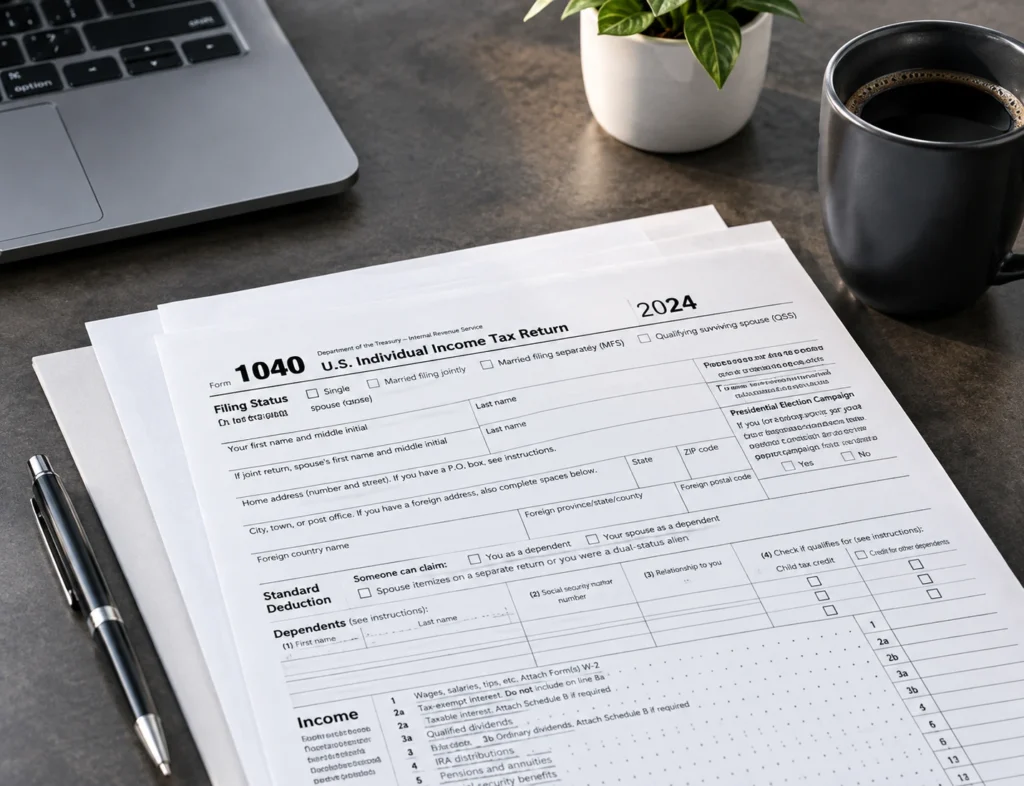
We Check Whether Your Company Needs Audited Financial Statements
Mainland Companies
Limited liability companies and joint stock companies governed by the UAE Commercial Companies Law must have their accounts audited annually. We check your company’s legal form and reporting period when reviewing the requirement.
Free Zone Companies
Free Zones have their own reporting and submission rules. Your company may need audited financial statements from an auditor approved by the relevant authority. We check the applicable requirements and confirm whether we hold the approval needed for your engagement.
Corporate Tax Requirements
For tax periods beginning on or after 1 January 2025, audited financial statements are required for taxable persons outside a Tax Group with revenue exceeding AED 50 million, and for Qualifying Free Zone Persons. Tax Groups must prepare and maintain audited special purpose financial statements under the applicable FTA rules.
Bank, Investor and Group Requests
A bank, investor, shareholder or overseas group may request an audit even when an audit is not otherwise required. We review the request to clarify the reporting period, intended recipient and specific instructions.
Share your trade licence, financial year-end and any audit request you have received. We will explain what needs to be checked.
Know Which Financial Areas May Be Examined During Your Audit
We select audit procedures based on your business activities, significant financial balances and areas of risk. Common areas include the following.
Sales and Customer Balances
Invoices, contracts, credit notes and outstanding customer balances support the income recorded in your accounts and its timing.
Expenses and Amounts Owed
Purchase invoices, supplier statements and expense schedules support recorded costs and outstanding liabilities.
Bank Balances and Borrowings
Bank reconciliations, statements, confirmations and loan agreements provide evidence for cash balances and financing arrangements.
Stock and Business Assets
Where relevant, the audit considers inventory records, stock counts, asset registers, depreciation and evidence supporting asset values.
Related Parties and Estimates
Transactions with owners or group companies, provisions and other significant estimates require supporting records and explanations.
Financial Statements and Disclosures
Accounting policies, presentation and supporting notes are assessed against the applicable reporting framework, such as IFRS or IFRS for SMEs where permitted.
Understand How Your Auditor Assesses Risks and Evidence
We assess which areas need closer attention and what evidence is required. We explain our requests so your team understands which documents and supporting information to provide.
Focus on Significant Risks
Your business activities and accounting processes help the auditor identify where significant errors could arise. This guides the testing performed.
Assess What Could Affect Decisions
Materiality considers whether an error or missing disclosure could influence someone using the accounts. Both the amount and the nature of an issue can matter.
Support Balances with Evidence
The auditor may inspect documents, check calculations, obtain confirmations and assess management’s estimates. The procedures depend on the circumstances.
Prepare for Your Audit with a Checklist Matched to Your Company
We identify the records needed for your company and reporting period. The initial checklist commonly includes the following.
Company Records
- Trade licence and incorporation documents.
- Memorandum and Articles of Association, where applicable.
- Ownership details and relevant company resolutions.
- Previous audited financial statements, if available.
Accounting Records
- Year-end trial balance and general ledger.
- Draft financial statements and supporting schedules.
- Customer and supplier ageing reports.
- Bank statements and reconciliations.
Supporting Evidence
- Sales invoices, purchase invoices and significant contracts.
- Payroll records and employee benefit calculations.
- Inventory records and fixed asset register.
- Loan agreements and related-party schedules.
- Tax records relevant to the accounts.
Are Some Records Missing or Incomplete?
Tell us what is available. We can identify preparation work needed before the audit and explain any separate accounting support required. Additional documents may be requested as the audit progresses.
Now Consultant In Numbers
Since in Business
Businesses Served
Audits Completed
Accuracy
How We Carry Out Your External Audit
We plan and perform the audit around your business activities, financial records and reporting requirements, keeping your team informed throughout the engagement.
Agree Scope and Requirements
Agree the Scope and Plan
Discuss Findings and Adjustments
We discuss significant findings, proposed accounting adjustments and outstanding information with management before we complete the audit work.
Finalise and Deliver the Report
Once all procedures and reviews are complete, we issue our independent auditor’s report and explain any matters requiring your attention.
Understand Your Audit Report and Next Steps
At NOW Consultant, we help you understand the completed financial statements, the independent auditor’s report and any matters requiring your attention. We explain the reporting package and clarify the agreed next steps for delivery or submission.
Financial Statements and Audit Report
Receive the financial statements, accompanying notes and independent auditor’s report for the agreed period. We explain the report’s structure and what the auditor’s opinion means.
Key Coverage
- Complete audited financial statements
- Supporting notes and required disclosures
- Explanation of the auditor's opinion
Findings Requiring Your Attention
We help you understand significant matters communicated during the audit and any recommendations provided in a separate management letter, where applicable.
Key Coverage
- Management letter findings, where applicable
- Relevant findings on financial reporting controls
- Explanation of proposed accounting adjustments
Submission and Follow-Up
We clarify the agreed submission responsibilities, identify outstanding actions and explain any matters your team needs to address after report delivery.
Key Coverage
- Applicable filing requirements
- Agreed submission guidance
- Checklist of agreed follow-up actions
Why You Should Select Us
2,450+ Audits Completed
Audit experience across mainland and Free Zone businesses.
Agreed Delivery Timeline
A clear completion schedule, subject to receiving complete records and timely responses.
Transparent Fees
Scope, fees and deliverables agreed before work begins.
Dedicated Support
A clear point of contact for queries and progress updates.
Clear Audit Findings
Practical explanations of findings, adjustments and next steps.
- FAQs -
Frequently Asked Questions
Does my company need an external audit in Dubai?
Can you help if our accounting records are incomplete?
We can review the available records and identify preparation work needed before the audit. Any additional bookkeeping or reconciliation work is agreed separately, taking the auditor’s independence requirements into account.
How long will the external audit take?
The timetable depends on the readiness of your accounts, the work required, responses to queries and external confirmations. We review your deadline with the appointed audit firm and explain the expected schedule after assessing the requirements.
Does an external audit check every transaction and detect every fraud?
No. Auditors use risk assessment, selected testing and professional judgement to obtain reasonable assurance about significant errors or omissions. An audit does not check every transaction or guarantee that every fraud will be detected.